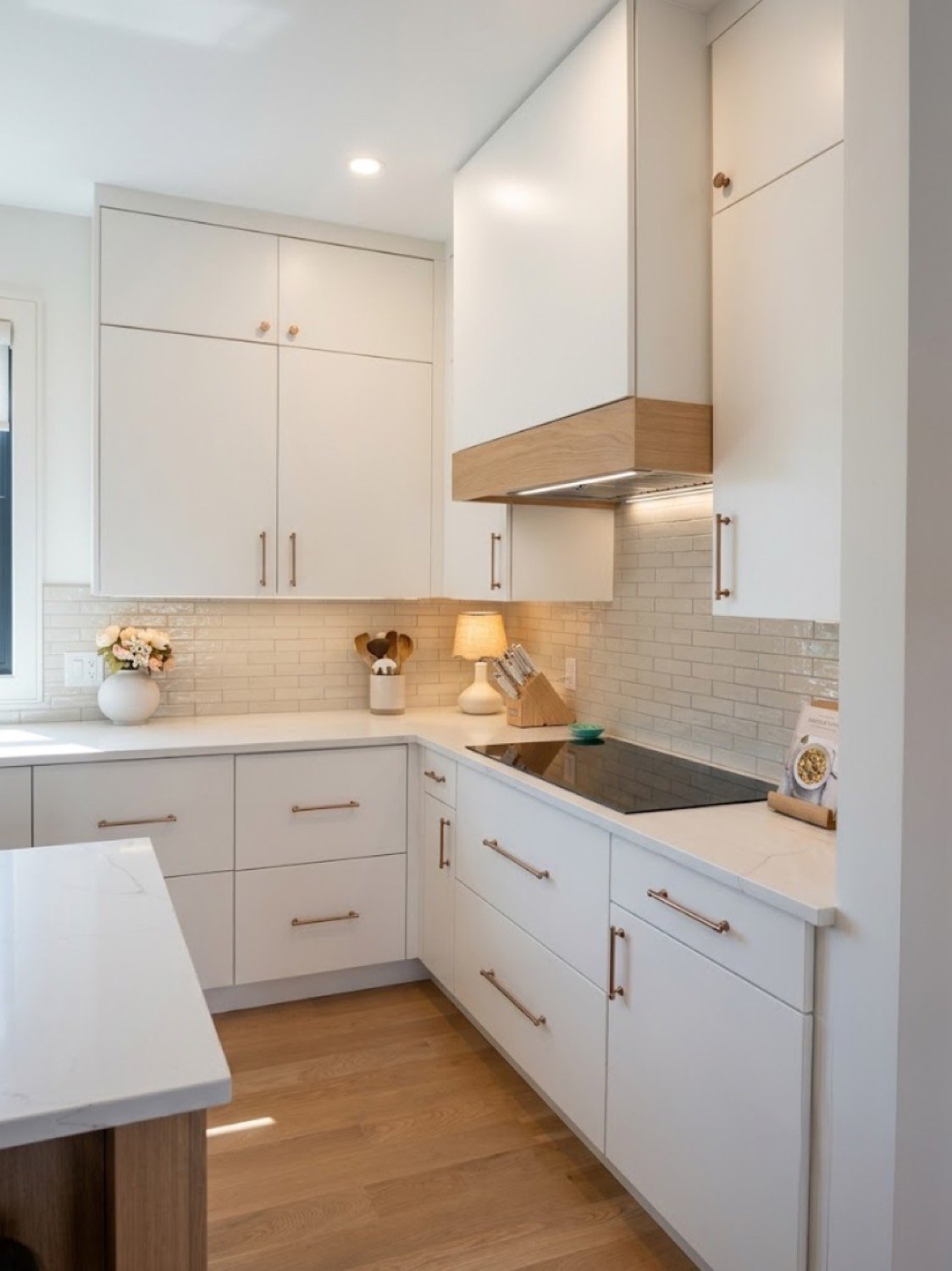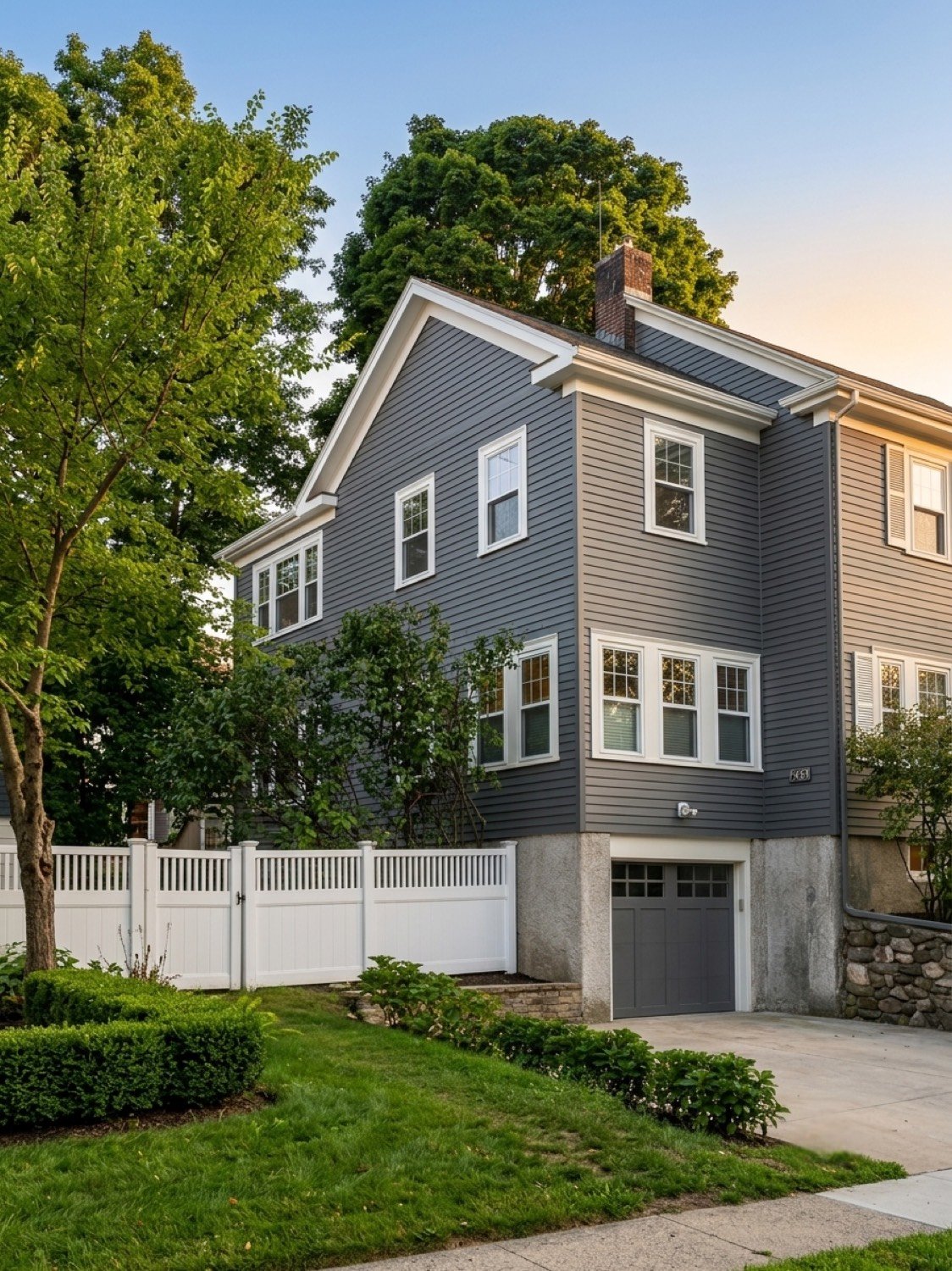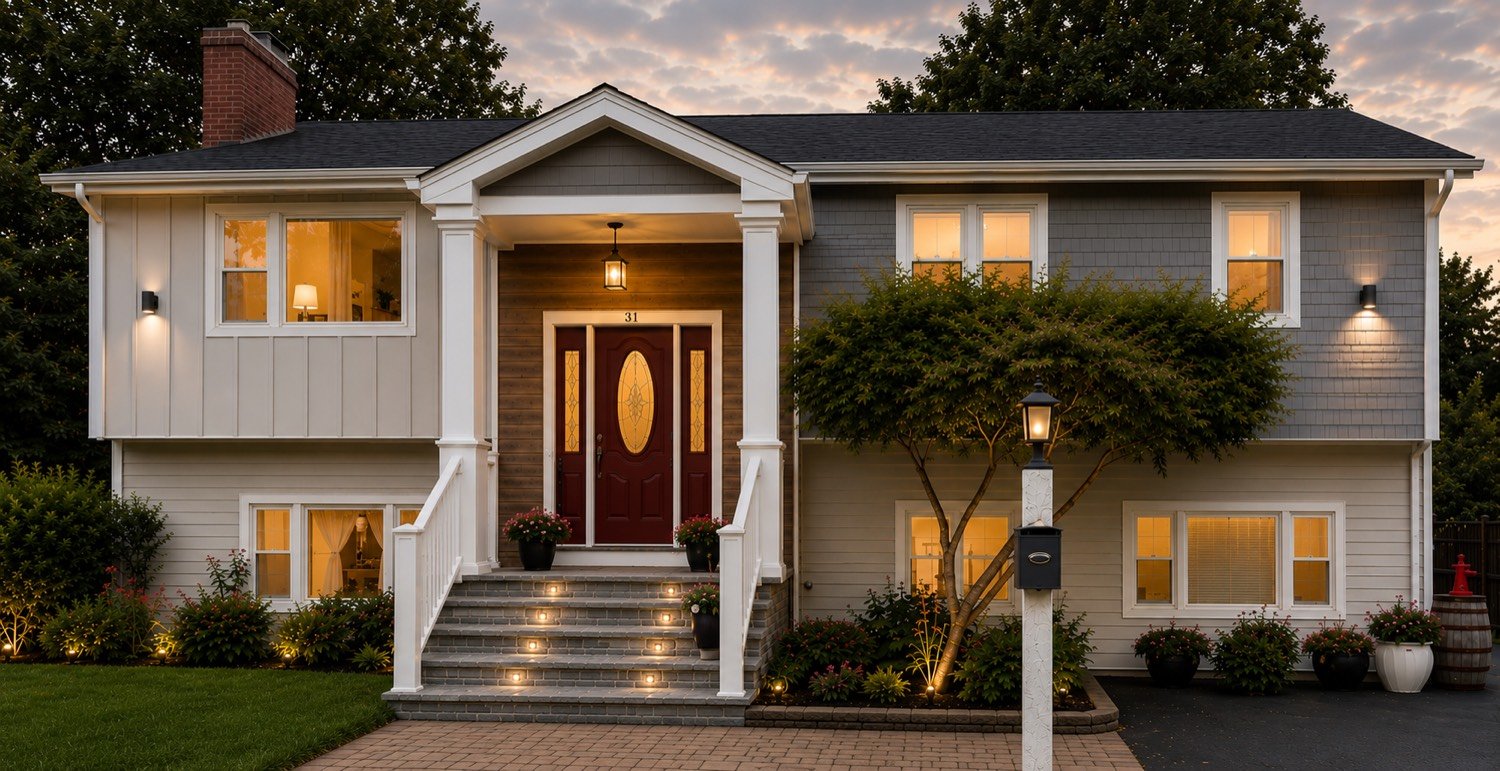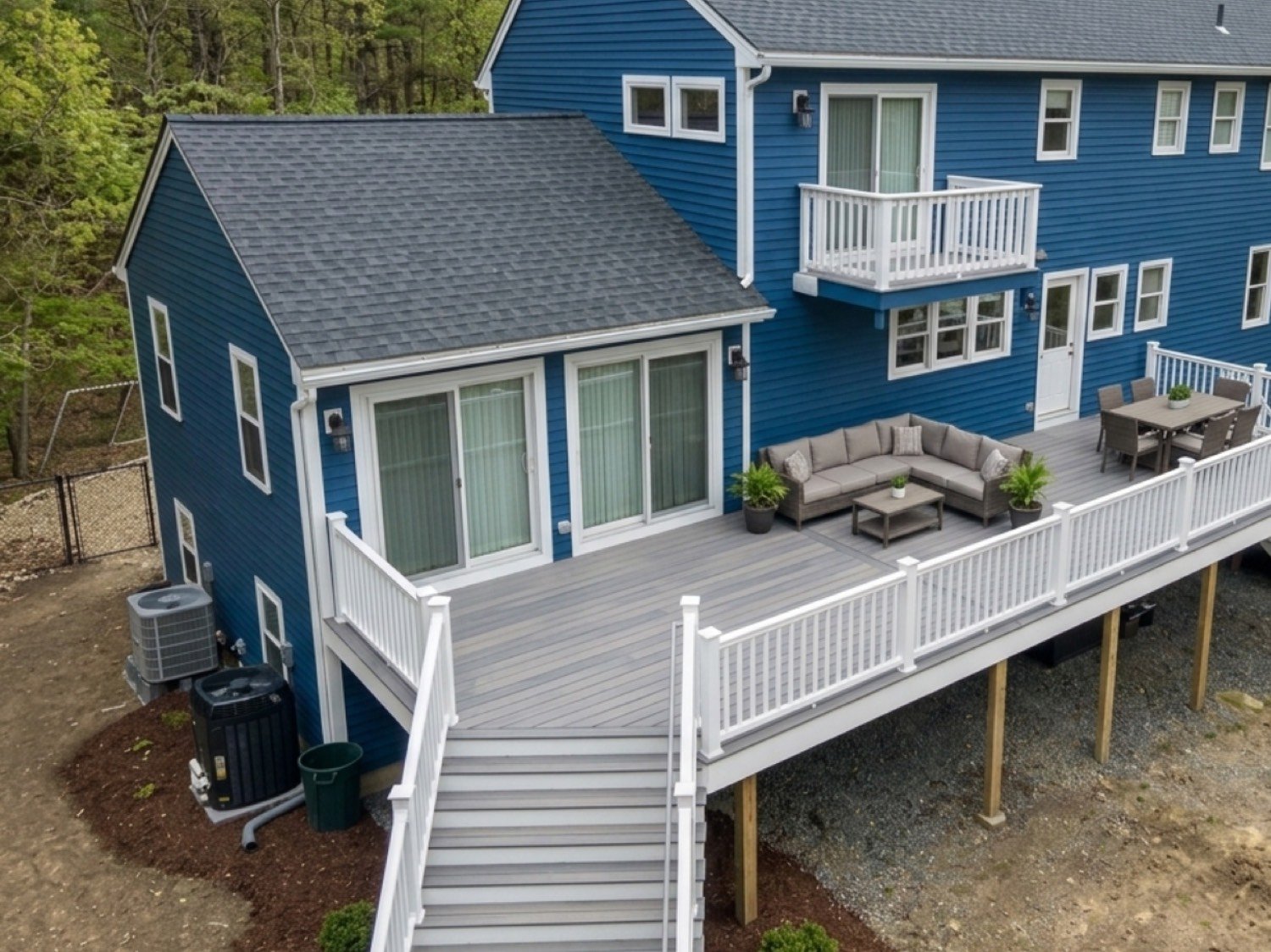
Hiring a general contractor in Boston is not the same as hiring one in a market with new subdivisions and open lots. You are usually renovating a house that is between 60 and 140 years old, on a lot with no room for a dumpster, in a city that takes its permits seriously. The wrong contractor turns that into a story people tell for years. The right one turns it into a house you actually want to live in.
This guide walks through what a Greater Boston homeowner should actually check before signing a contract — and what a well-run general contractor will hand you without being asked.
Verify the license first, always
Massachusetts requires anyone doing residential work over $1,000 to hold a Home Improvement Contractor (HIC) registration from the Office of Consumer Affairs. Structural work also requires a Construction Supervisor License (CSL) from the Board of Building Regulations. These are different things. Ask for both numbers and look them up on the state website before the first walkthrough is over.
A contractor who is only HIC-registered can do finish work, but any project that touches structure — additions, load-bearing walls, roofs, decks with framing — needs a CSL. Homeowners get burned when a HIC-only contractor pulls a homeowner permit and then something fails inspection. You are on the hook, not them.
Contractor's Note
Never pull the permit yourself as a homeowner just because a contractor asks you to. That transfers all liability for the work to you. A licensed CSL should pull the permit under their own name.
What a real estimate looks like
A verbal number is not an estimate. It is a hope. A real estimate for a Boston renovation is itemized and specific enough that you could hand it to another contractor and get an apples-to-apples number back.
Look for these lines:
- Scope of work, written in plain English, describing what will be done and — just as important — what will not.
- Materials, with brands and grades named. "Composite decking" is not enough. "Trex Enhance Basics, Beach Dune, 5/4×6" is.
- Labor, broken out from materials, so you can see where the money goes.
- Permits and inspections, listed as a separate line with an estimated fee.
- Allowances, for things you will pick later (tile, cabinets, fixtures) with a specific dollar amount attached.
- Payment schedule, tied to milestones, not to a calendar.
- Change-order process, stated up front — how additions to scope are priced and approved.
If the estimate is a single number with "kitchen remodel — $65,000," walk away. You are not being given information; you are being given a trap.
Permits in Greater Boston: the short version
Almost every substantial renovation in Massachusetts needs a permit. The typical trigger points:
- Any structural change — moving or removing walls, cutting new openings.
- Additions, decks over 30 inches off grade, and most exterior stairs.
- Kitchen and bath renovations that touch plumbing or electrical.
- Roofing, siding replacement, and window replacement in many towns.
- HVAC replacement and any new electrical service.
Each of the 18 Greater Boston municipalities we work in runs its own building department, with its own fees, forms and inspection queues. A good general contractor already knows the process for your town. They should be able to give you a realistic timeline for permit issuance — usually one to six weeks — and know which projects trigger review by a historic district commission.
The four questions worth asking every candidate
You do not need a 30-question interview. Four questions do most of the work.
1. "Who will actually be on my job every day?"
The answer separates general contractors who run their own crew from ones who resell subcontracted labor. Both models exist, but you should know which you are hiring. A crew-based contractor is on-site with their people; a broker-style GC coordinates trades from a truck. Neither is inherently wrong — but the accountability path is very different.
2. "Can I visit an active jobsite?"
A cleanish, organized site — materials stacked, tools stored, dust barriers up, floor protection down — tells you what to expect in your own house. Chaos on somebody else's job means chaos on yours.
3. "What is your process when a change comes up mid-build?"
Something always comes up. Old wiring behind a wall. A cracked joist. A backup that will not clear. The question is whether it is handled with a written change order and a new price, or a shrug and a bigger final invoice.
4. "Who signs off before you consider the project done?"
The answer should include the local building inspector, any specialty inspectors (electrical, plumbing), and — critically — you, walking the job with a punch list.
"The best question a homeowner ever asked us was 'What is the first thing that is going to go wrong on this job?' It changed the whole conversation from selling to planning." — Monteiro Crew
Red flags to walk away from
- Cash-only or heavy up-front deposits. Massachusetts law caps deposits at one-third of the contract price for HIC work. More than that is illegal and a warning sign.
- No written contract. Any project over $1,000 requires one under Massachusetts law. Full stop.
- Pressure to "start today." A contractor with a healthy pipeline is booked out. One who can start immediately is either between jobs (fine) or between problems (not fine). Ask why.
- No insurance certificate. You should see current general liability and workers' comp certificates naming you as certificate holder.
- Vague references. A real reference gives you an address (from the outside), a phone number and permission to call.
Cost expectations for Greater Boston renovations
Rough ranges, as of the current market — these move with material prices and demand:
- Full kitchen renovation: $45,000–$120,000, depending on cabinet grade, layout changes and appliance choices.
- Full bathroom renovation: $18,000–$45,000, depending on tile, fixtures and whether plumbing gets moved.
- Deck (composite, 300–400 sq ft): $22,000–$40,000 with framing, railing, stairs and permits.
- Siding replacement (2,000 sq ft): $28,000–$55,000 depending on material and trim complexity.
- Whole-home addition (rear bump-out, 300 sq ft): $110,000–$220,000.
These are ranges, not quotes. Boston projects run higher than the national average because of labor costs, older housing stock (surprises behind the walls) and permit complexity. A contractor pricing 30% below the range is either about to disappear mid-job or about to send you a much larger final bill.
What "done" should look like
A finished project is not the day the crew packs the truck. It is the day the following have all happened:
- Final inspection passed and signed off by the local building department.
- Punch list resolved — every item you flagged during the walkthrough addressed.
- Site cleaned, debris hauled, adjacent areas restored.
- Warranty in writing, with terms and duration specified.
- Final payment released only after all of the above.
Hiring the right general contractor in Boston is less about finding the cheapest number and more about finding the crew that will still be answering the phone in five years when something needs attention. If you are weighing options for your own project, we are happy to walk the space and give you a written estimate with no pressure.